
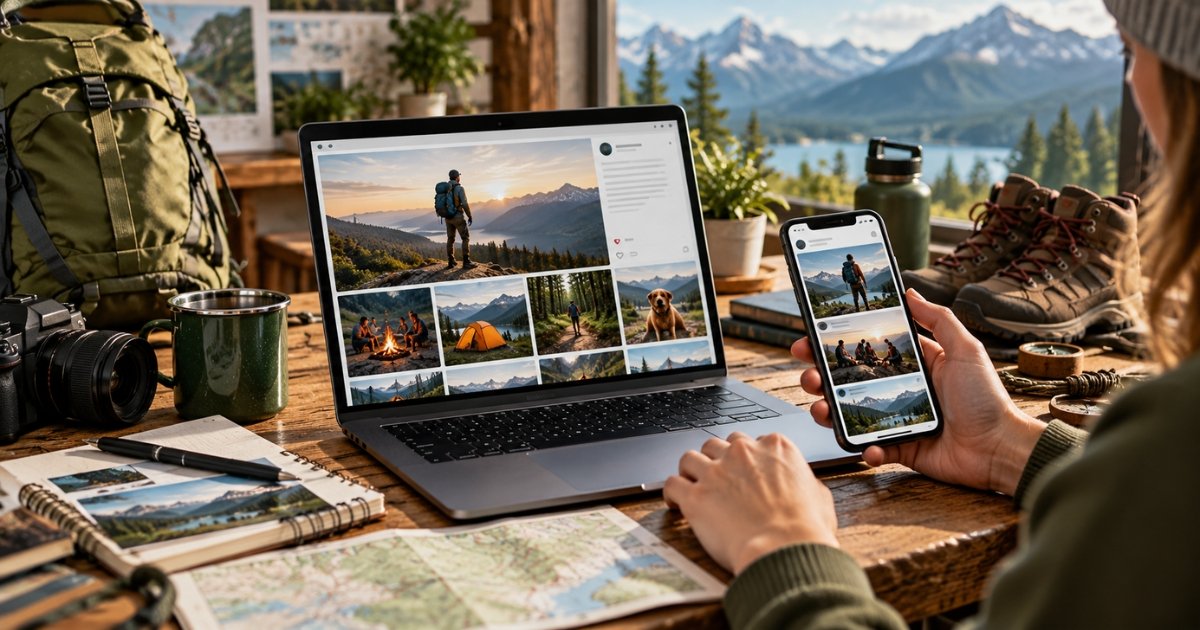
When someone shops for outdoor gear, they want more than an attractive product photo. They want to know whether the equipment will meet their needs, how it performs in real conditions, and whether the company will support them if something goes wrong.
Before making a purchase, many shoppers explore a brand’s social media pages. They look at customer experiences, product demonstrations, comments, and how the business responds to questions.
This is how social media builds brand trust. It gives people opportunities to understand the company behind the products and evaluate the experiences of other customers.
For outdoor brands, where product reliability and customer confidence matter, social media can support stronger relationships through transparency, useful information, and genuine conversations.
Here are five practical ways to build that trust.
1. Build Trust With Behind-the-Scenes Content
Customers often see the finished product without knowing anything about the people or processes behind it.
Behind-the-scenes content helps make a business more approachable.
An outdoor equipment company might introduce its team, show how orders are prepared, explain a product design decision, or demonstrate the care involved in checking equipment before shipping.
These details give followers a clearer understanding of how the business operates.
For example, a short video showing how camping equipment is packed for delivery can answer practical questions while introducing the people responsible for the process.
The goal is not to create a perfect-looking social media feed. It is to provide an accurate and useful view of the brand.
Consider sharing:
- Team introductions and everyday workplace activities.
- Product preparation or quality-control processes.
- Explanations of materials and design choices.
- Answers to frequently asked customer questions.
Use real photographs and clear descriptions whenever possible. Professionally edited content is fine as long as it represents the business accurately.
2. Use Customer Reviews and User-Generated Content
One of the clearest ways social media can support credibility is by showing genuine customer experiences.
User-generated content (UGC) includes photographs, videos, reviews, and other material created by customers rather than the brand itself.
For an outdoor business, this might be a camper sharing a photo of equipment at a campsite or a hiker explaining how a backpack worked during a weekend trip.
These experiences help prospective buyers understand how products are used outside promotional settings.
Customer reviews can also answer practical questions about comfort, durability, sizing, and everyday performance.
However, authenticity matters more than the number of testimonials shared.
Avoid presenting paid promotions as independent customer experiences or editing reviews in ways that change their meaning.
How to Encourage Genuine Customer Content
Make it easy for customers to share their experiences.
You can invite them to tag your brand, use a relevant hashtag, or submit photos of products being used outdoors.
If you want to repost their content, obtain permission and provide appropriate credit.
Choose examples that offer useful context rather than selecting only the most visually impressive pictures.
A detailed customer account of a camping trip may help potential buyers more than a photo with no explanation.
Over time, genuine feedback can help followers see how different people experience your products.
3. Build Credibility Through Honest Communication
Trust becomes especially important when customers have concerns.
A delayed order, damaged product, or unanswered question can affect how people view a business.
Social media provides an opportunity to respond constructively.
If someone reports an issue, acknowledge the concern, explain the appropriate next steps, and offer a suitable support channel.
Avoid defensive replies or promises you cannot fulfill.
For matters involving private order information, move the conversation to a secure customer service channel.
Public responses can still demonstrate that the company listens and takes concerns seriously.
Share Accurate Product Information
Outdoor equipment is often purchased for specific conditions, so product information should be clear.
If a jacket has a particular water-resistance rating, explain what that rating means instead of describing the product as suitable for every type of weather.
If equipment has weight limits or recommended operating conditions, make those details accessible.
Product demonstrations, care instructions, and documented testing information can help customers make informed decisions.
When sharing testing results, explain the conditions and limitations rather than making unsupported performance claims.
Honest communication helps people develop realistic expectations before purchasing.
4. Strengthen Customer Relationships Through Social Media Engagement
Social media is more than a place to publish product updates.
It also allows brands to learn what customers need.
Outdoor enthusiasts often have practical questions about equipment selection, maintenance, storage, and trip preparation.
Responding to those questions provides useful information while creating opportunities for conversation.
For example, a camping brand might ask followers which features they consider most important when choosing a tent.
The responses could reveal common concerns about weight, setup, ventilation, or available space.
Brands can use this feedback to guide educational content and improve product explanations.
Ways to Encourage Meaningful Engagement
Try building conversations around topics your customers already care about.
Share a question about favorite camping destinations, invite followers to discuss equipment maintenance, or ask what advice they would give a first-time hiker.
Respond thoughtfully when people contribute.
You don’t need to turn every comment into a sales opportunity.
A helpful answer may be more valuable than directing someone immediately to a product page.
Consistent, respectful engagement can make a business more approachable and encourage people to return when they need information.
Managing social media consistently takes time, especially when you’re balancing content creation, customer questions, and daily business operations. Professional social media marketing services can help businesses maintain an active presence, engage with their audience, and develop a more organized content strategy.
5. Share Useful Outdoor Content, Not Just Promotions
A social media page filled with offers can give customers little reason to follow it between purchases.
Educational content provides another reason to engage with a brand.
If you’re looking for fresh ways to engage your audience, explore these social media content ideas for businesses to discover different post types you can use to share useful information and build stronger customer relationships.
Outdoor businesses can share practical advice about preparing for trips, selecting suitable equipment, or maintaining products after use.
For example, a post explaining how to clean and store a backpack can help existing customers care for their purchase.
A short checklist for planning a first camping trip may also be useful to people who are still researching equipment.
These posts should prioritize accuracy and relevance.
Where safety is involved, avoid oversimplified advice. Encourage customers to follow product instructions, check local conditions, and consult appropriate official guidance.
Useful content supports credibility because the business contributes information beyond immediate sales messages.
How to Measure Brand Trust on Social Media
Trust cannot be measured through a single social media metric.
A high follower count does not automatically mean customers believe in a brand, and a popular post does not guarantee long-term loyalty.
Instead, look at several signals together.
Consider whether followers ask meaningful questions, share their own experiences, or return to participate in discussions.
Customer feedback can provide additional insight into whether people understand your products and feel comfortable contacting your business.
You can also monitor customer service response times, recurring questions, website visits, and inquiries generated through social media.
These metrics do not directly measure trust, but they can help you assess how effectively your content supports customer relationships.
Review the results regularly and look for patterns rather than focusing on individual posts.
Common Social Media Mistakes That Can Damage Trust
Even with good intentions, brands can create uncertainty through inconsistent or misleading communication.
Some common mistakes include:
- Overpromising product performance: Making claims that exceed documented specifications.
- Ignoring customer concerns: Leaving legitimate questions unanswered without a clear support process.
- Sharing misleading reviews: Removing important context or presenting incentivized content without appropriate disclosure.
- Posting only promotions: Giving followers little useful information between sales campaigns.
- Using inconsistent messaging: Providing different product details across social media, websites, and customer support.
Addressing these issues helps maintain a more reliable online presence.
Customers should be able to find consistent information regardless of where they interact with your brand.
Frequently Asked Questions
1. How long does it take to build trust through social media?
There is no fixed timeline. Building trust depends on consistent communication, genuine customer experiences, useful information, and how a business handles concerns.
A single successful post may increase awareness, but lasting trust usually develops through repeated positive interactions.
2. Can a small outdoor brand build trust without a large following?
Yes. A smaller audience can still develop meaningful relationships with a business.
Focus on answering questions, sharing accurate product information, and responding to feedback rather than concentrating entirely on follower numbers.
3. Should outdoor brands respond to negative comments?
Brands should address legitimate concerns professionally and offer appropriate assistance.
Avoid sharing personal customer information publicly. When account-specific details are needed, guide the customer to a private support channel.
4. Does user-generated content help build brand trust?
Genuine customer content can provide useful social proof by showing real experiences.
Always obtain permission before reposting, provide appropriate credit, and disclose commercial relationships when required. Permission alone does not establish that a review is accurate or independent.
5. What type of social media content helps outdoor brands build credibility?
Behind-the-scenes posts, customer experiences, accurate product demonstrations, educational tips, and thoughtful responses to questions can all support credibility.
The best content addresses genuine customer needs and accurately reflects the business.
6. How often should an outdoor brand post on social media?
There is no universal schedule.
Choose a posting frequency your team can maintain without sacrificing content quality or customer engagement.
A manageable schedule with useful, accurate posts is more sustainable than publishing frequently without a clear purpose.
Build Lasting Trust With Your Outdoor Community
Understanding how social media builds brand trust is only the first step.
Long-term relationships develop when a business shares useful information, communicates clearly, and treats customer feedback seriously.
For outdoor brands, that means helping people understand the equipment they purchase and providing realistic information about how it can be used.
Start with one practical action. Answer a common customer question, introduce the people behind your business, or share a genuine customer experience with permission.
We value the connection between outdoor products and the people who use them. Explore XPO Outdoors to learn more about our brand and outdoor equipment.