
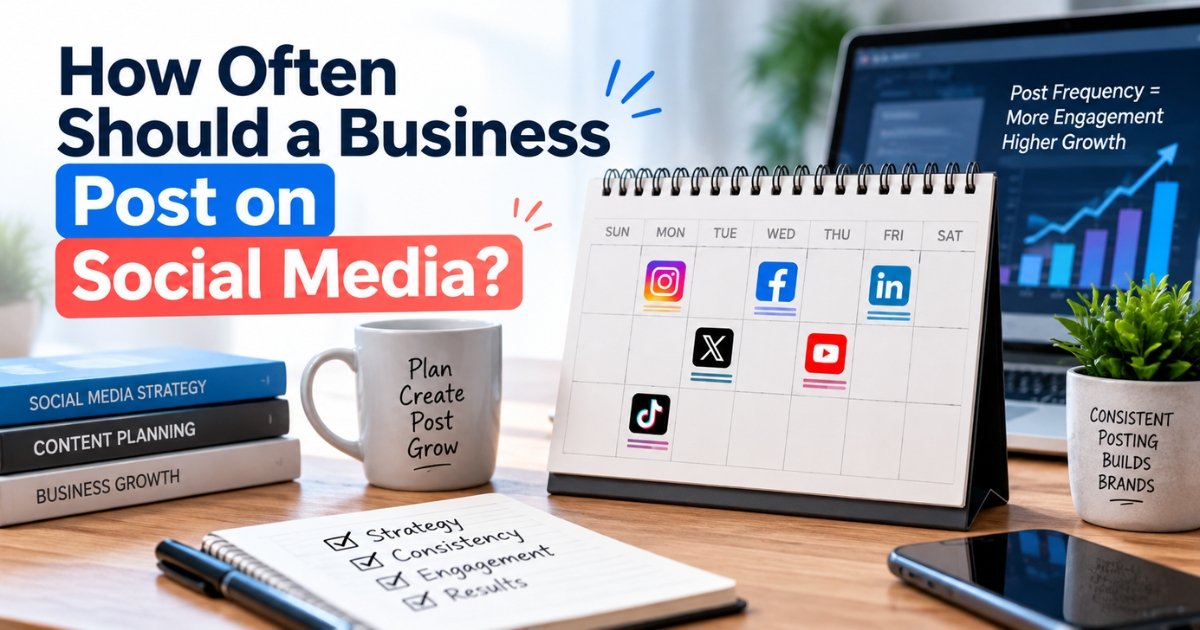
Algorithms change, and recommendations contradict each other. Some sources say businesses should post every day, while others say two posts a week is enough.
In truth, frequency and engagement are more important than any specific number of posts. A schedule you can keep, after all, is worth more than a burst of posts you can’t repeat. Still, some posting ranges work well on each platform, and this guide covers them. The advice fits small, medium, and large businesses, with examples that focus on outdoor and retail brands.
Recommended Posting Frequency by Platform
Treat these numbers as starting points, not strict rules. Instead, track your results for 60 to 90 days, then adjust.
Feed: 3-5 posts a week. Photo carousels of products, conditions, and adventures resonate well with the Instagram audience.
Reels: 2 to 4 per week, since short video is often the best format for reaching new audiences.
Stories: 3 to 7 per week. Use Stories for short clips, behind-the-scenes moments, and polls that support your feed.
Posts: 3 to 5 per week. Facebook works well for longer captions and event updates.
Groups and Events: Post when it is relevant. Regular posts in local groups and events, for example, foster excellent audience engagement — organize local trail running meetups or promote your store openings through Facebook.
TikTok
Video content: 3 to 5 per week. Regular posting helps TikTok learn what your audience likes, but strong content still matters more than volume. It is also a good place to test formats, such as gear reviews, packing tips, and day-in-the-life clips.
LinkedIn and X
LinkedIn: 2 to 3 per week. LinkedIn suits B2B brands and wholesale outreach, so share company news, industry insight, and partnerships.
X: 3 to 5 per day. The feed moves fast, so short and frequent posts work best. If you don’t have time to reply and join conversations, however, post less.
Quality Over Quantity: A Fundamental Rule of Social Media
Posting more does not guarantee more followers. Instead, platforms measure how people respond. A post that earns saves, shares, and comments will often beat several posts that get ignored.
Follow this rule: post as much as you can while retaining your usual level of quality. If you begin to feel that your content is subpar, reduce the frequency. On the other hand, if you have extra material you wish to share, post it.
Three Ways to Keep a Sustainable Posting Schedule
Batch your content creation. Dedicate one day per month to taking photos and recording videos that will comprise your monthly social media content. In fact, a single trip can supply weeks of photos and video.
Schedule your content in advance. Tools like Meta Business Suite, Buffer, and Later let you plan posts ahead. Set aside one day a week for editing and scheduling, so that you always have content to post even during a busy week.
Repurpose your content. Cut long videos into short clips, pull quotes from articles, and turn one photo set into several posts. With a bit of creativity, you can stretch one long-form piece of content into a dozen different social media posts.
Frequently Asked Questions
1. Can I post too much?
Yes, it can hurt. Posting beyond what you can manage often lowers quality, and followers may tune out. Stay within the ranges above and watch your engagement rate instead.
2. When should I post?
It depends on your audience. Check your platform analytics to see when followers are most active. Outdoor audiences, for instance, often engage early in the morning and on weekends, so test those times first.
3. Should I post the same thing on different platforms?
No, since each platform has its own format and audience. Share the same idea, but change the format, length, and tone to fit each one.
4. How long does it take to see results from a new posting schedule?
Most brands need 60 to 90 days to see clear patterns, since social platforms need time to learn what your audience likes. Track reach, saves, shares, and comments each month, and change one thing at a time, such as posting frequency or format, so you know what caused any change.
5. Should outdoor brands change their posting schedule by season?
Yes. Audience interest rises and falls with the seasons: camping, hiking, and fishing content often gets more attention in spring and summer, while hunting and winter gear content peaks in fall and winter. Post more often during your busy season, and use the slower months to plan and batch content instead. Check your analytics each quarter to confirm when your audience is most active.
Ready To Grow Your Brand on Social Media?
A strong posting plan is only the start. At Xpo Outdoors, we help outdoor, retail, and adventure brands build social media strategies that fit their goals and their time. We plan the content, set the schedule, and track results.
Contact Xpo Outdoors today, and let’s map the route to your marketing goals.